 Home
Home
 Info
Info

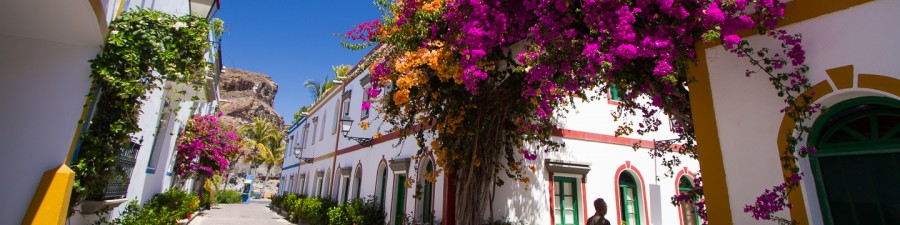
Resorts & Places
The ultimate guide to Gran Canaria's resorts, towns and local villages.
Children categories
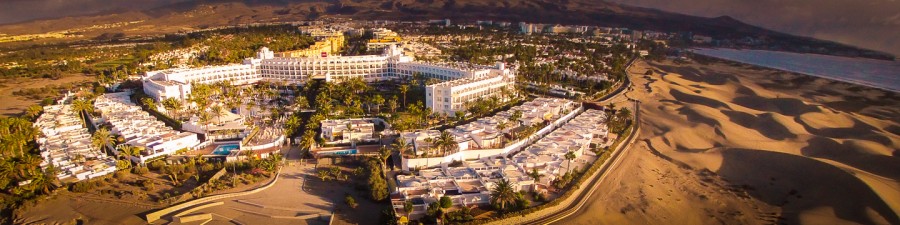
Playa del Inglés
Playa del Inglés is a huge resort dedicated to keeping tourists from all over Europe happy in the sun. If you come to Playa for unrestrained fun, you picked the right place.
If you came looking for authentic culture and Spanish food, sack your travel agent and learn the local bus timetable. But don't worry as Playa del Inglés is a big place and has something for everyone.
PDI is a big resort so when you first arrive, get your bearings with our newbie's tour of Playa del Inglés. Then, spend a day relaxing on the resort's vast, golden beach, or walk around the corner to Maspalomas beach.
There's plenty to do and see within the resort itself including the shopping centres and hundreds of restaurants. For shopping, see out Playa del Inglés shopping guide.
Playa del Inglés is a safe and friendly resort but like most places, there are a few local annoyances that it's good to know about in advance.
Once your holiday is over, here's how to get back to the airport.
View items...
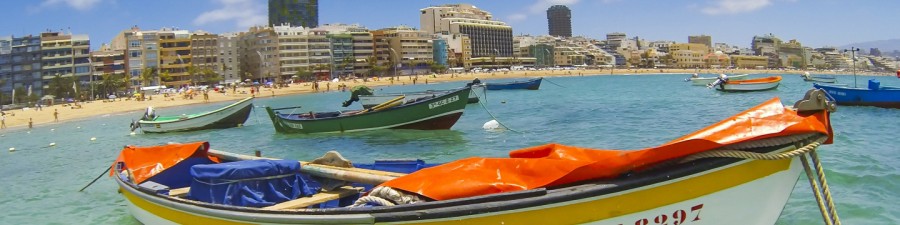
Las Palmas
Gran Canaria's capital city offers great food, a gorgeous old town and the world's best city beach.
View items...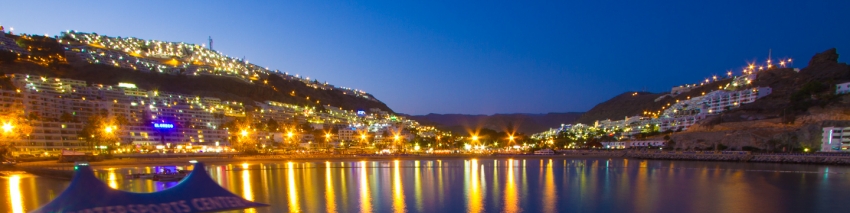
Puerto Rico
Puerto Rico is the closest Gran Canaria gets to the Spanish Costas. There's British breakfast by the beach, karaoke bars in the shopping centres and lots of foreign residents who never learn the local lingo.
However, there's more to Puerto Rico than the stereotypes suggest: great places to eat, quality bars and of course two of the island's warmest and sunniest beaches.
The resort fills a valley with a sand beach and two marinas on the coast. Its bungalows and apartments are mostly quiet as the nightlife is focused in the giant Puerto Rico shopping centre.
Puerto Rico attracts British tourists during the summer and Scandinavians during winter. They all come for the almost-constant sunshine and lively bars and restaurants.
View items...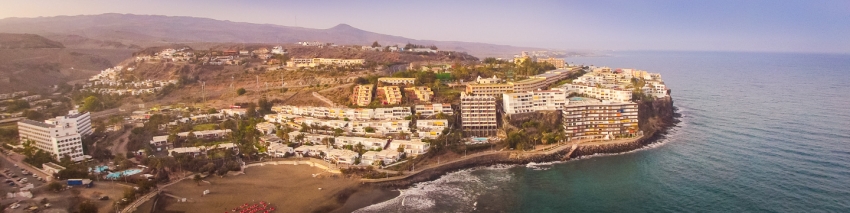
San Agustín
Sleepy San Agustín stays under the mass tourism radar despite its golden sand beaches and sunny weather. Lots of Germans and Scandinavians own property here and do their best to keep it neat and peaceful.
San Agustín beach is like a mini version of Playa del Inglés just to the west although it is often much quieter. The beach gets some fun-sized waves but is safe for swimmers and sunny almost every day.
The resort is easy to reach as it's the first major resort as you head south from Gran Canaria airport along the GC1 motorway. San Agustín is well connected to the airport and the island's other resorts by local bus. A taxi from San Agustín to the airport costs around 35-40 euros, but you can also book a private transfer service.
San Agustín has two shopping centres; the vast San Agustín Shopping Centre and the smaller El Portón which is also home to the tourist information centre. Shopping in San Agustín is fine for basics, but you'll have to go elsewhere for fashion and serious souvenir shopping.
If you are visiting San Agustín for the first time, here's how to find your way around.
View items...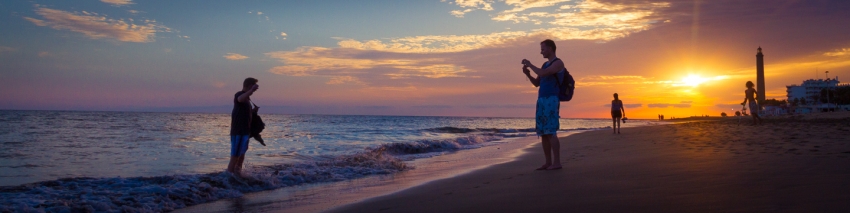
Maspalomas
Maspalomas resort is basically a huge sprawl of bungalows, hotels and palm trees that sits on a flat plain just behind the dunes. It's a quiet place to stay with a nine-hole golf course and a huge public park complete with climbing wall and lake.
Much quieter than Playa del Ingles next door, Maspalomas doesn’t have any nightlife to speak of. Most of the best bars and restaurants are down on the seafront at Meloneras, especially now that the Faro II shopping centre is almost empty. For music and fun you head to Playa del Inglés.
The main resort is best suited to those who want a quiet holiday in the sunshine. The newer Meloneras section of the resort is more upmarket with 5-Star hotels on the seafront.
Puerto de Mogán
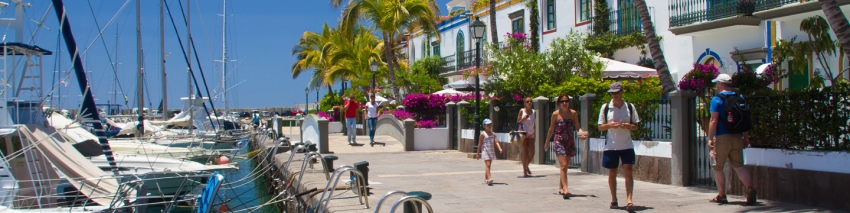
There was a mix-up in the planning department when Puerto Mogan got built. Rather than another generic, modern resort, they built an original and rather beautiful marina with charming buildings and bougainvillea arches.
While it's now spread back a long way up the valley from the original marina, "the Venice of Gran Canaria" is still the island's most attractive resort.
With its little sandy beach, dozens of fish restaurants, and more bougainvillea and coconut palm trees than you can shake a selfie stick at, Puerto de Mogán is on every Gran Canaria bucket list.
View items...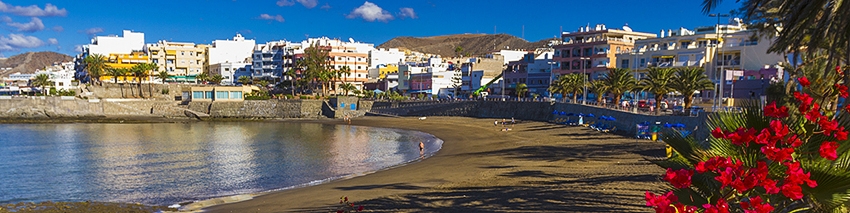
Arguineguín
South Gran Canaria's most authentic local town with a pretty beach and plenty of restaurants by the sea. Popular with Scandinavians.
View items...
Gran Canaria Info recommends:
- Default
- Title
- Date
- Random


Join the Gran Canaria Info newsletter list


Features
Gran Canaria info recommends
-

Gran Canaria Shopping: Start At Fundgrube For Price & Quality
-

Off The Beaten Track With A Gran Canaria Buggy Trip
-

The Best Value Car Rental Service In Gran Canaria
-

Casa Romantica: A Classic Gran Canaria Restaurant Reborn
-

Hassle-Free Gran Canaria Car Hire
-

Which Gran Canaria Airport Transfer Service Is The Best?
- 1
Follow us on Facebook
Tip of the day
-
Tip Of The Day: Where To Watch The ARC Race
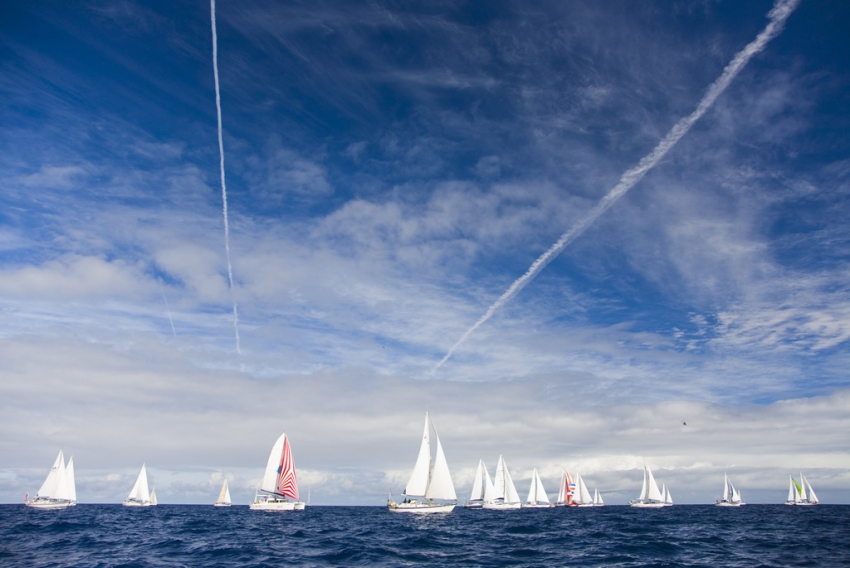
Thousands of people turn out to watch the ARC Rally, the world's largest transoceanic rally, leave Las Palmas at the end of November. Here's where you need to go for the best views.
Latest articles
Who's Online
We have 6865 guests and no members online